
ARTISTS/WRITERS: RICHARD
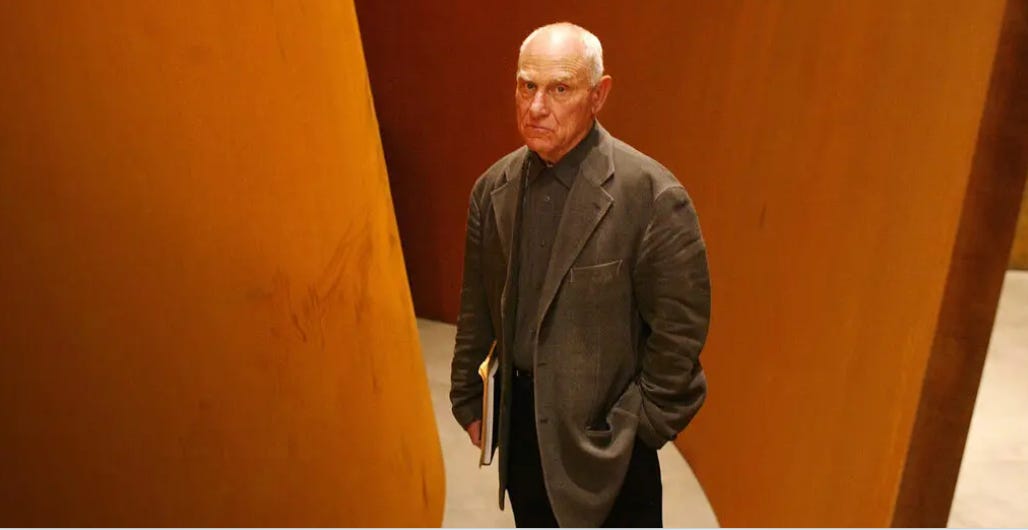
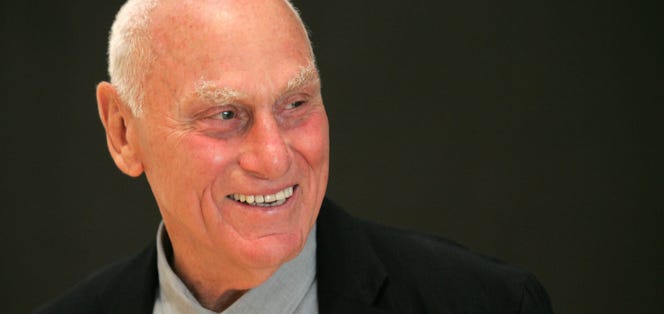
The monumental sculptor Richard Serra died this past March. He and I went through college together in California, studying English literature. We shared the same classes, the same friends, adored the same girls. Our senior year we rented a house together, along with a history student friend, James Wulff, known as Lobo, who would after graduation renounce academia to become an abalone fisherman.
Richard was funny, intense, mischievous, playful, a prankster. Good company. He was serious about literature (among our teachers were Aldous Huxley and Christopher Isherwood) and also art, as I was also interested in music. Summers he’d work in San Francisco steel mills while I’d drum in jazz clubs or strip joints.
After graduation, Richard went to Yale and got a masters degree in art. I traveled in Europe and North Africa, worked as a musician, and began to write. In the years following we stayed in touch, trading wild, substance-fueled missives full of revelation and discovery. Later I’d meet up with him in California, sometimes with his brother Tony Serra, a figure in his own right: a flamboyant, pony-tailed San Francisco attorney and political activist widely known for defending drug dealers. Then I was off to Japan and Richard was back to New York to begin his complicated, contentious ascent to prominence.
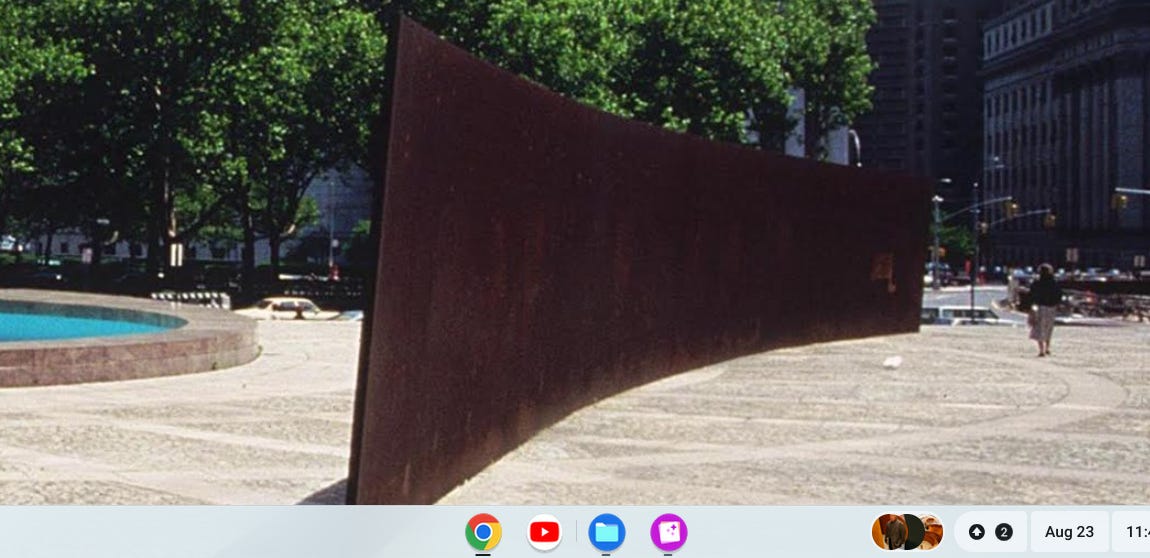
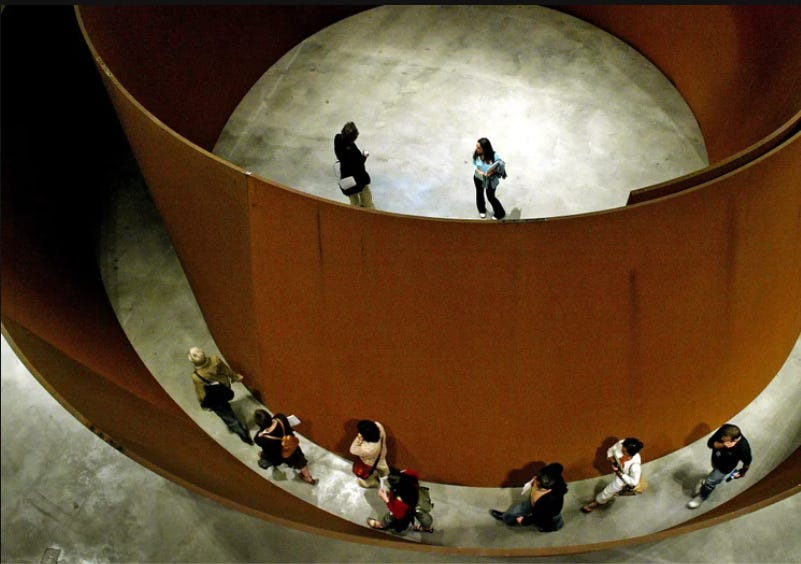
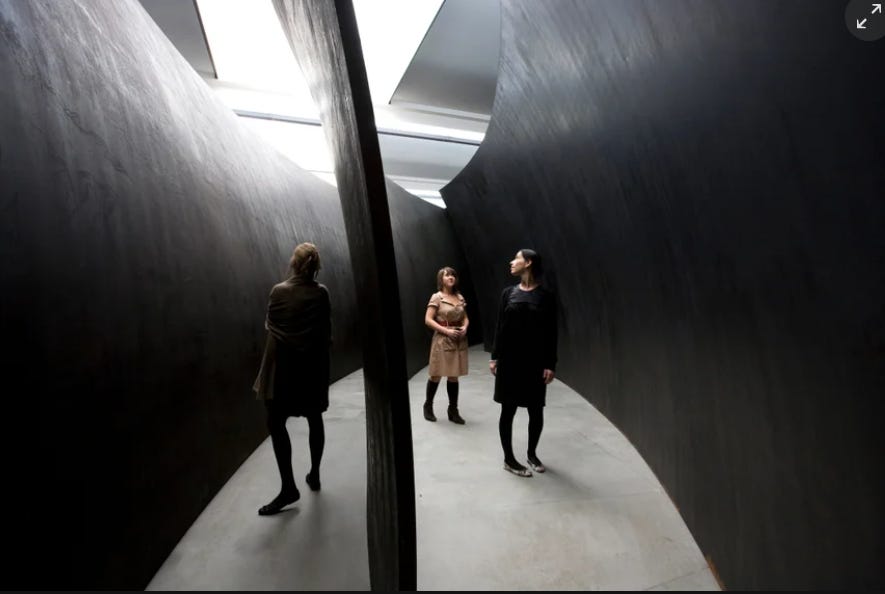
After working with different forms, materials, and ideas, he began forging the abstract sculptural forms, towering sheets of Corten steel with their patina of rust, that would bring him renown. They commanded territory uniquely his, drawing attention, commissions, and controversy. His “Tilted Arc,” in downtown Manhattan, was so generally disliked by public and critics alike that it was removed.
It did little to impede the flowering of Richard’s installations. As his reputation grew, I’d hear from mutual friends that “Richard has become a total asshole.” Aggressive, irascible, intransigent, ruthless, combative, cruel. Even if some of this was attributable to envy, it was an opinion shared by many in the art world. Fellow Yale artist Chuck Close said of Richard, “I think he’s the best sculptor working today, and maybe the best artist. I don’t think he’s a bad person. But it’s a goddamn good thing he is a great artist, because a lot of this stuff wouldn’t be forgiven.”
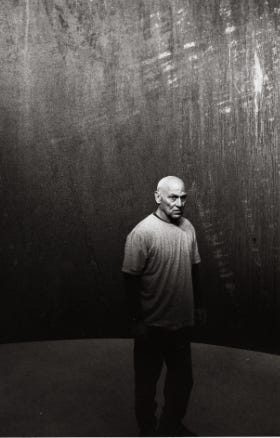
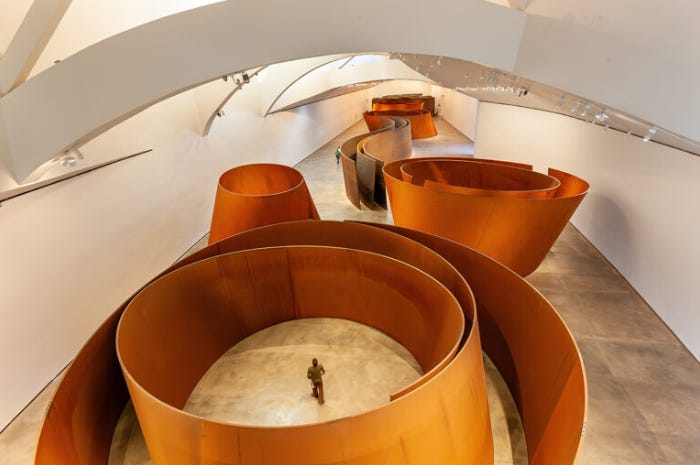
With time, as Richard’s work continued to grow in scope and authority, both critical discourse and public approbation shifted from dismissal to acclaim. Work once reviled was now revered for its sheer drama and beauty.
Growing acceptance of his art, along with years of therapy and a long marriage to art historian Clara Weyergraf, appeared to have steadied Richard. Recently, not long before he died, a longtime common friend, Buddhist, and neighbor in Nova Scotia where Richard and Clara spent half the year, offered a warmer, more benign picture of my friend in his later years.
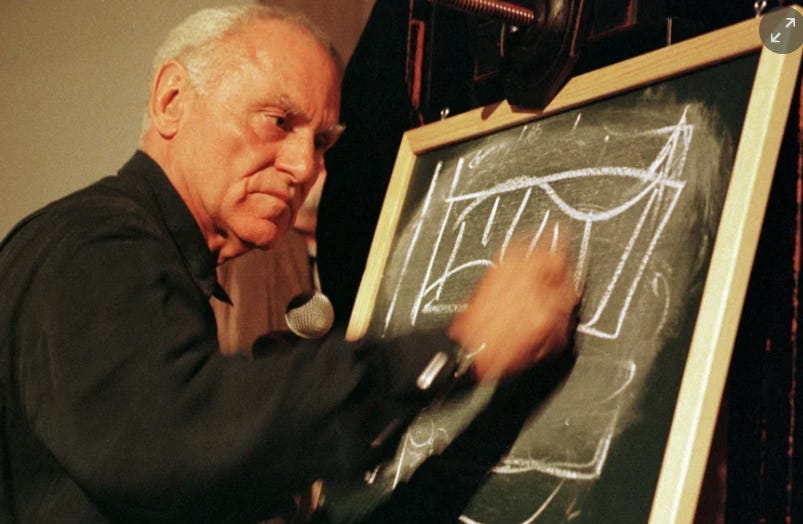
Adiós Richard, whose massive, soaring sculptures came to mark our era.
Here are some further links to Richard Serra and his work. You can click on them.
Brilliant man. Have seen many of his works. Met him once in Berkeley or LA, can't remember. This isa lovely piece about this great and complicated artist who could bend metal and touch us so deeply.